By Rachel Drummond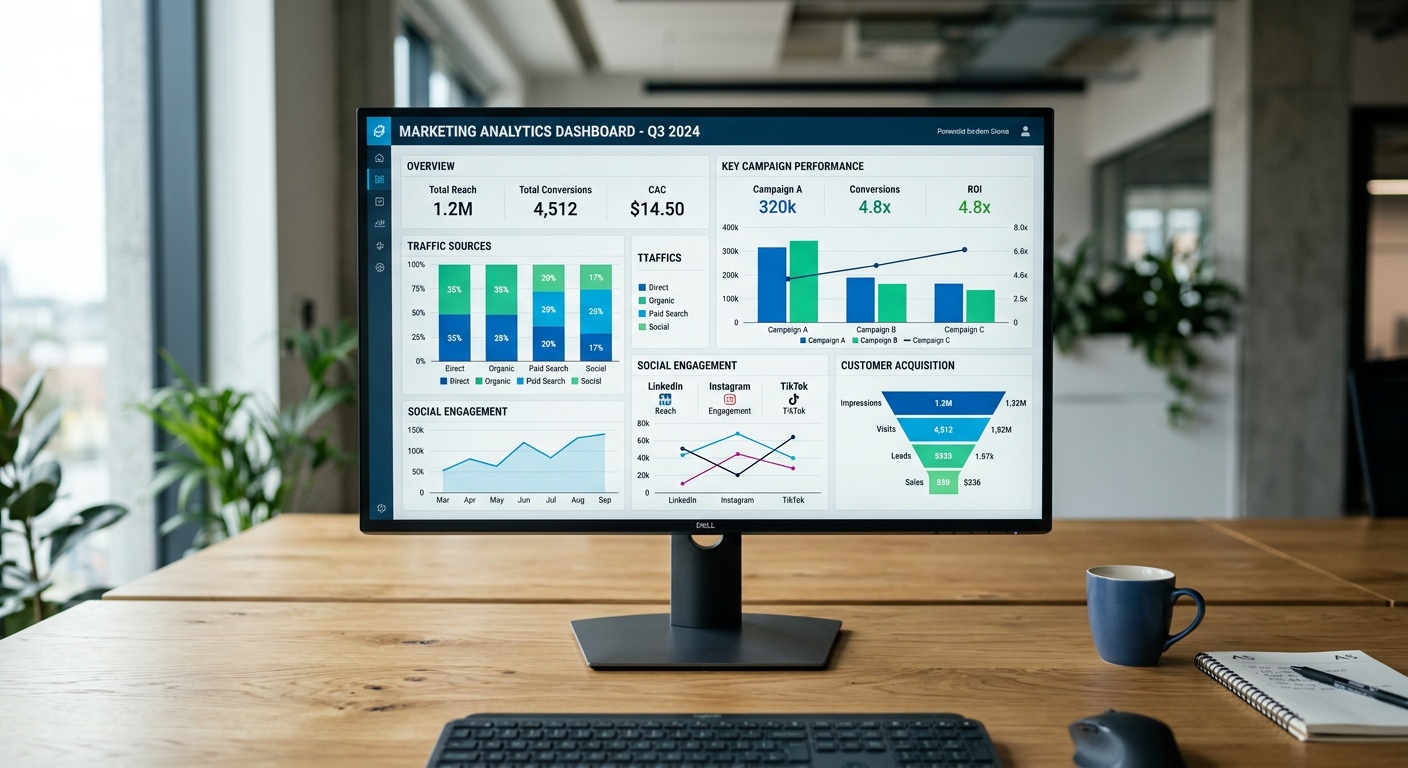
Inside the Biggest Digital Marketing Agencies and What Sets Them Apart
Reading time: 9 minutes
Table of Contents
- The 2026 Agency Landscape: Bigger Budgets, Bigger Expectations
- What Actually Makes These Agencies “Big”
- Five Differentiators That Separate Leaders From the Pack
- Real-World Snapshots: Three Agencies, Three Strategies
- Common Challenges When Working With Large Agencies
- How to Choose the Right Fit for Your Business
- FAQs
- Your Roadmap Forward
The 2026 Agency Landscape: Bigger Budgets, Bigger Expectations
Ever wonder why some digital marketing agencies manage nine-figure ad budgets while others struggle to retain a single mid-size client? You’re not alone in asking. The gap between the industry’s biggest players and everyone else has widened considerably heading into 2026, driven largely by AI-native workflows, first-party data mastery, and consolidation across the martech stack.
According to eMarketer’s 2026 Global Ad Spend Outlook, worldwide digital ad spend is projected to cross $780 billion this year, with the top 20 agency holding companies and independents controlling roughly 42% of managed media. That concentration isn’t accidental—it’s the result of deliberate structural advantages that smaller shops simply can’t replicate overnight.
Here’s the straight talk: size alone doesn’t guarantee results. But the biggest agencies have built systems—technology, talent pipelines, and proprietary data—that consistently outperform boutique competitors on scale-dependent metrics like international rollout speed and cross-channel attribution accuracy.
What Actually Makes These Agencies “Big”
When people say “biggest digital marketing agency,” they usually mean one of three things: revenue size, headcount, or client portfolio value. In 2026, the leaderboard still features familiar names—WPP’s GroupM, Publicis Groupe, Omnicom Media Group, and Dentsu—alongside fast-rising independents like Tinuiti and Power Digital that have scaled aggressively through performance marketing specialization.
What’s changed is the operating model. Where agencies once competed primarily on creative output, the 2026 competitive edge is measured in:
- Proprietary AI infrastructure for media buying, creative testing, and predictive analytics
- Data clean room partnerships with platforms like Google, Meta, and Amazon
- Global delivery networks that allow 24/7 campaign optimization across time zones
- Integrated commerce capabilities, blending retail media, influencer, and SEO into one funnel
The Talent Density Factor
Big agencies don’t just have more people—they have deeper specialization. A large network might employ dedicated teams for programmatic audio, connected TV, retail media networks, and generative AI content production, each staffed with specialists rather than generalists juggling five channels at once. This talent density is arguably the single biggest structural advantage over smaller shops.
The Technology Stack Advantage
Most Fortune 500-serving agencies now run proprietary or heavily customized martech platforms rather than relying solely on off-the-shelf tools. Publicis’s CoreAI platform and WPP Open are prime examples—internal systems that unify client data, automate media buying decisions, and generate creative variants at a pace boutique agencies can’t match without significant capital investment.
Five Differentiators That Separate Leaders From the Pack
Quick scenario: imagine two agencies pitching the same retail client. Both promise “data-driven strategy” and “creative excellence.” What actually separates the winner? Usually, it comes down to these five factors.
1. Speed of Experimentation
Top-tier agencies run hundreds of creative and audience tests weekly using automated pipelines. Slower competitors might run a dozen. That velocity compounds into measurably better performance within a single quarter.
2. First-Party Data Partnerships
With third-party cookies fully deprecated in Chrome as of 2025, agencies with direct data-sharing agreements with retailers, CRMs, and loyalty programs have a durable edge in audience targeting precision.
3. Cross-Border Execution
Global brands need consistent messaging across 30+ markets simultaneously. Only agencies with established regional offices and localized compliance knowledge can execute this without months of delay.
4. Transparent Reporting Culture
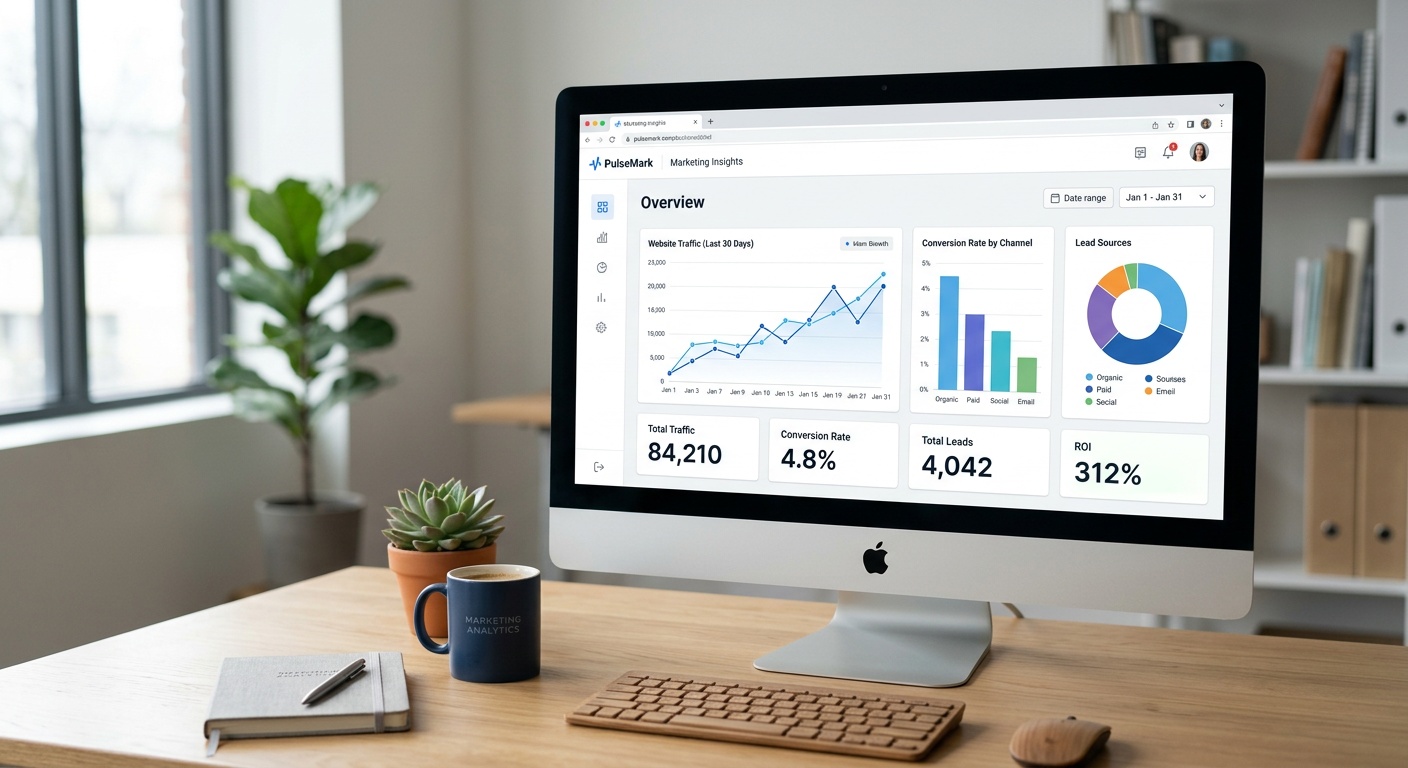
Ironically, some of the largest agencies have worked hardest to shed the industry’s reputation for opaque billing and vague reporting—building real-time dashboards clients can access directly, rather than waiting on monthly PDF decks.
5. Integrated Media and Creative Teams
The old split between “the media agency” and “the creative agency” is dissolving. The biggest players now house both under one roof, reducing handoff friction and improving message-to-placement coherence.
Real-World Snapshots: Three Agencies, Three Strategies
Tinuiti built its scale almost entirely around performance marketing and retail media, becoming Amazon’s largest independent agency partner. Its 2026 growth has centered on helping CPG brands navigate the increasingly fragmented retail media landscape—Walmart Connect, Target Roundel, and Instacart Ads—without losing attribution clarity.
Publicis Groupe took a different route, investing over $2 billion since 2023 into its CoreAI platform, which now processes client campaign data to auto-generate media plans. The agency reported in early 2026 that AI-assisted campaigns delivered a 23% improvement in cost-per-acquisition compared to manually planned equivalents across a sample of consumer electronics clients.
Power Digital, a mid-large independent, differentiated through a hybrid consulting-plus-execution model, embedding strategists directly into client teams rather than operating as an external vendor. This structure appeals particularly to venture-backed startups that need agency-level expertise without the bureaucracy of holding company processes.
The takeaway? There’s no single winning formula—but each leader identified a structural advantage and doubled down rather than trying to be everything to everyone.
Comparing the Big Players: A Snapshot
| Agency Type | Avg. Client Retention | Typical Minimum Budget | Core Strength |
|---|---|---|---|
| Holding Company Network (WPP, Omnicom) | 3.8 years | $500K+/year | Global scale, multi-market execution |
| Performance-Focused Independent (Tinuiti) | 2.9 years | $150K+/year | Retail media, paid acquisition |
| Hybrid Consulting Agency (Power Digital) | 2.4 years | $80K+/year | Embedded strategy, agility |
| Boutique/Specialist Shop | 1.9 years | $25K+/year | Niche channel expertise, flexibility |
Where Big Agencies Outperform: A Quick Visual
Data compiled from 2026 client satisfaction surveys across mid-to-large agency partnerships (n=340 marketing leaders).
Common Challenges When Working With Large Agencies
Big doesn’t always mean smooth sailing. Here are three challenges brands consistently report, along with practical ways to address them.
Challenge 1: Getting Lost in the Org Chart
Large agencies often assign junior account managers to day-to-day communication while senior strategists work behind the scenes. Fix: Negotiate quarterly strategy sessions directly with senior leads into your contract, not just standard account check-ins.
Challenge 2: Slower Adaptation to Niche Markets
Agencies built for scale sometimes apply templated playbooks that don’t account for hyper-specific industries. Fix: Request case studies from your exact vertical before signing, not just adjacent categories.
Challenge 3: Budget Minimums That Squeeze Smaller Brands
Many top agencies now require six-figure annual commitments, pricing out early-stage companies. Fix: Consider a hybrid approach—engage a large agency for strategy audits or specific campaigns rather than full-scale retainer work.
How to Choose the Right Fit for Your Business
Ready to turn this information into a decision? Ask potential partners these questions before signing anything:
- Who specifically will manage our account day-to-day, and what’s their average client load?
- What proprietary technology or data assets do you bring that we couldn’t access independently?
- Can you share a client reference from our exact industry, including a challenge they faced?
- How do you structure reporting, and can we access live dashboards rather than static reports?
- What’s your process when a campaign underperforms in the first 60 days?
Pro Tip: The right agency partnership isn’t about hiring the biggest name—it’s about matching organizational scale to your actual operational needs.
Frequently Asked Questions
Are the biggest digital marketing agencies always the best choice?
Not necessarily. Scale brings advantages in global reach, technology, and specialized talent, but smaller agencies often provide more agility and closer attention for brands without complex multi-market needs. The right choice depends on your budget, growth stage, and how much hands-on strategic input you require.
How much does it typically cost to work with a top-tier agency in 2026?
Most large agencies require annual commitments starting between $150,000 and $500,000, though this varies significantly by service scope. Retainer-based performance marketing tends to sit at the lower end, while full-service branding and multi-market campaigns push toward the higher range.
What’s the biggest shift happening among large agencies right now?
AI-driven campaign automation is the defining shift in 2026. Leading agencies have moved beyond using AI for basic content generation and now deploy it for real-time media buying decisions, predictive audience modeling, and automated creative testing at a scale manual teams simply cannot match.
Your Roadmap Forward
The agency landscape in 2026 rewards specialization dressed up in scale—the biggest players win not because they do everything, but because they’ve mastered specific structural advantages and built repeatable systems around them. As AI infrastructure becomes table stakes rather than a differentiator, the next competitive battleground will likely shift toward proprietary data partnerships and genuine cross-channel integration.
Here’s your practical next-step checklist:
- Audit your current needs against the five differentiators covered above before evaluating any agency
- Request vertical-specific case studies, not generic portfolio decks
- Negotiate reporting transparency into your contract from day one
- Consider a phased engagement rather than jumping straight into a full annual retainer
- Reassess quarterly—the agency that fit your needs at $500K in revenue may not fit at $5M
So, which factor matters more for your business right now—raw scale, or the agility to pivot quickly? That answer should shape your next agency conversation more than any pitch deck ever could.